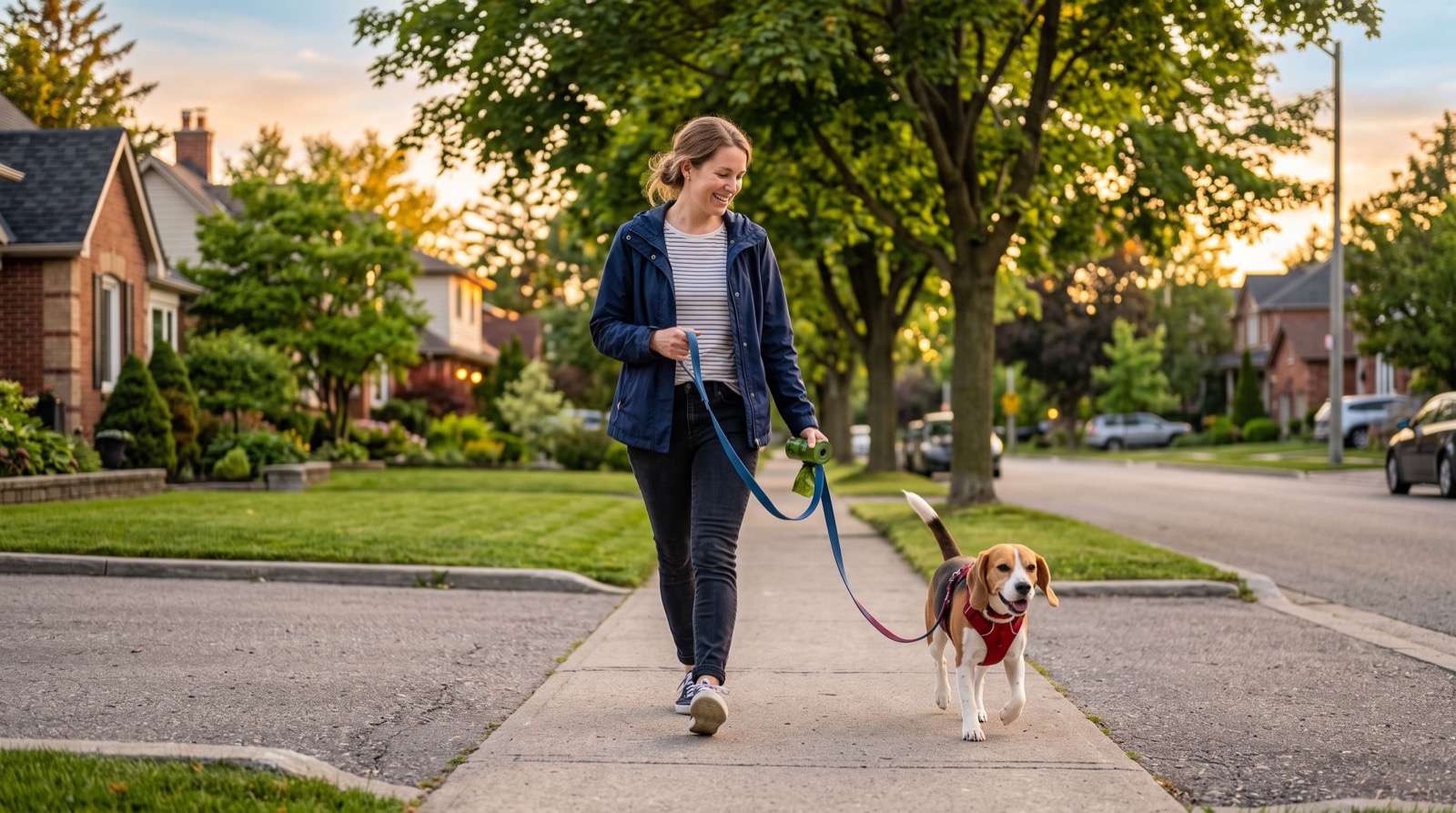
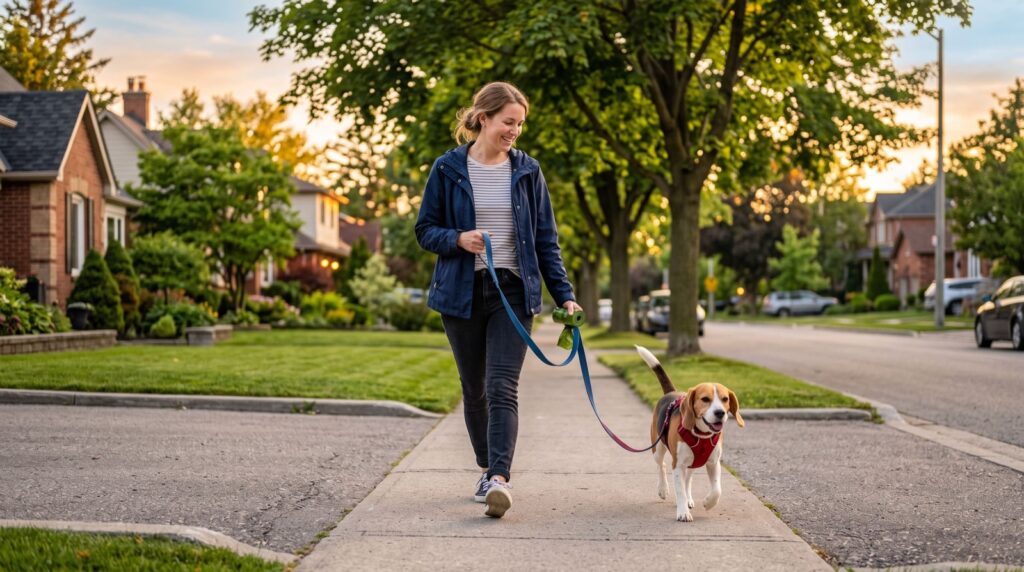
There’s a surprising amount of bad advice out there about cleaning up after dogs, and a lot of poorly made products that make an easy job harder than it needs to be. Thin bags tear, short-handled tools force you to crouch, and hinged scoopers jam the moment they get dirty. None of that is necessary. Good design solves all of it. This guide covers what actually matters when choosing cleanup gear, how to use it well, and the small habits that keep a yard clean, healthy, and pleasant to spend time in year-round.
If you’ve ever wrestled with a flimsy plastic bag on a windy morning or bent over one too many times cleaning the lawn, you already know the problem. Dog waste cleanup is unavoidable, but the frustration around it is entirely optional. The difference between a miserable chore and a quick, clean task usually comes down to the equipment you’re using. In this guide, we’ll break down what separates good cleanup tools from bad ones, why it matters for your yard and your health, and how to build a routine that keeps everything under control.
Why Simple Designs Outlast Complicated Ones
Scoopers with springs, hinges, jaws, and moving parts look clever in product photos, but those mechanisms are exactly what fails. Debris jams them, moisture corrodes them, and repeated use loosens them until they no longer close properly. A simpler design with fewer failure points lasts dramatically longer and works just as well in practice. Durable materials matter too: a tool that sits outside through rain, sun, and frost needs to handle that without cracking or rusting. When you’re buying cleanup gear, resist the temptation to pay for complexity. Sturdy and straightforward almost always beats clever and fragile.
Keeping Your Lawn Healthy
Dog waste is far harder on grass than most owners expect. It’s high in nitrogen and salts, which scorch the lawn rather than fertilise it, leaving yellow or bare patches that take a long season to recover. Waste left in place also compacts the soil beneath it and blocks light, killing the grass outright. Consistent daily removal prevents nearly all of this damage before it starts. Owners who switch from occasional cleanup to a daily routine usually notice visible improvement in their lawn within a few weeks, without changing anything else about how they water, mow, or feed it. For genuinely mess-free cleanup, owners increasingly rely on a Pooper Scooper metal.
Reach and Posture Matter More Than You Think
Most people underestimate how much bending affects their willingness to clean up regularly. A short-handled scooper forces you to crouch for every pickup, which is uncomfortable at best and genuinely painful if you have back or knee problems. A long-handled tool lets you stand fully upright, work quickly, and cover the whole yard without strain. That comfort directly translates into consistency, because a task that doesn’t hurt is one you’ll actually do daily. For older owners, anyone with mobility issues, or people with several dogs, good reach isn’t a luxury feature – it’s the difference between staying on top of it and giving up.
Disposal Done Properly
How you dispose of waste matters nearly as much as picking it up. Dog waste should never go in compost intended for gardens or vegetables, since the pathogens it carries survive ordinary composting temperatures and can contaminate soil you grow food in. Securely tied bags in a designated bin are the standard, practical solution for most households. Some owners use dedicated waste digesters, which work well in the right conditions. Whatever the method, sealing waste properly stops odour and keeps pests away, which is exactly what makes a clean yard feel clean rather than just technically tidy. The same principle applies elsewhere too, as it does with reliable local experts.
The Problem With Cheap Bags
Thin, low-cost waste bags are the single most common source of cleanup frustration. They tear at the worst possible moment, stretch until they’re useless, and often can’t be tied securely, which defeats the entire purpose. Many are also far too small for larger dogs or multi-dog households. A properly heavy-duty bag holds its shape, resists punctures from sticks and gravel, and seals reliably so nothing leaks on the walk to the bin. The price difference per bag is genuinely tiny, but the difference in daily experience is enormous. This is the easiest upgrade any dog owner can make.
Why Daily Pickup Actually Matters
It’s easy to let dog waste sit for a few days, but the cost adds up faster than most owners realise. Waste burns yellow patches into grass, draws flies and pests, and creates an odour that lingers long after it’s gone. More importantly, it carries bacteria and parasites that can survive in soil for months, posing a genuine risk to children, other pets, and even your own dog. Rain spreads it further, washing contaminants across the whole yard and into storm drains. Picking up daily keeps all of that in check, protects your lawn, and takes far less effort than dealing with a week’s accumulation. Many dog owners solve this for good with Pooper scooper near me.
Key Takeaways
- Why Simple Designs Outlast Complicated Ones: Scoopers with springs, hinges, jaws, and moving parts look clever in product photos, but those mechanisms are exactly what fails.
- Keeping Your Lawn Healthy: Dog waste is far harder on grass than most owners expect.
- Reach and Posture Matter More Than You Think: Most people underestimate how much bending affects their willingness to clean up regularly.
- Disposal Done Properly: How you dispose of waste matters nearly as much as picking it up.
- The Problem With Cheap Bags: Thin, low-cost waste bags are the single most common source of cleanup frustration.
- Why Daily Pickup Actually Matters: It’s easy to let dog waste sit for a few days, but the cost adds up faster than most owners realise.
The Bottom Line
Cleaning up after your dog will never be the highlight of your day, but it absolutely doesn’t have to be a hassle. The right scooper and genuinely durable bags turn a dreaded chore into a couple of minutes of easy work. Get the tools right, build the habit, and a clean yard stops being something you think about at all.
A clean yard is better for your grass, safer for your family, and far more pleasant to spend time in. None of that requires more effort – just better equipment and a consistent routine. Once daily pickup becomes automatic and your tools actually work properly, the whole job quietly disappears into the background of owning a dog.